-11(50)_ED.avif)
From its founding, Ohmium has pursued making electrolyzers more affordable to manufacture and operate, enabling broader green hydrogen adoption. This drives continuous engineering improvements such as higher efficiency, reduced reliance on expensive materials like iridium, hypermodular design, and a compact footprint that works anywhere space is at a premium.
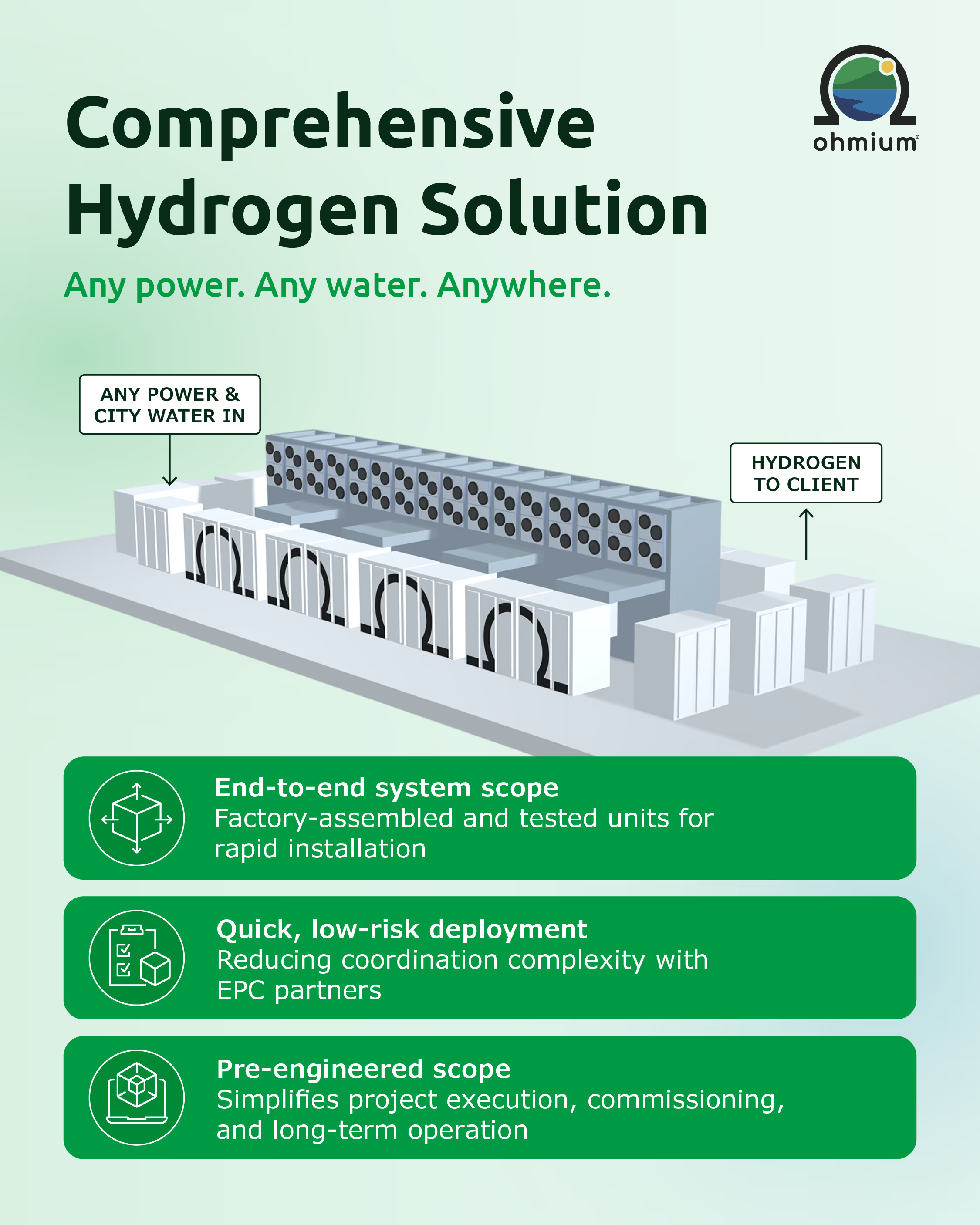
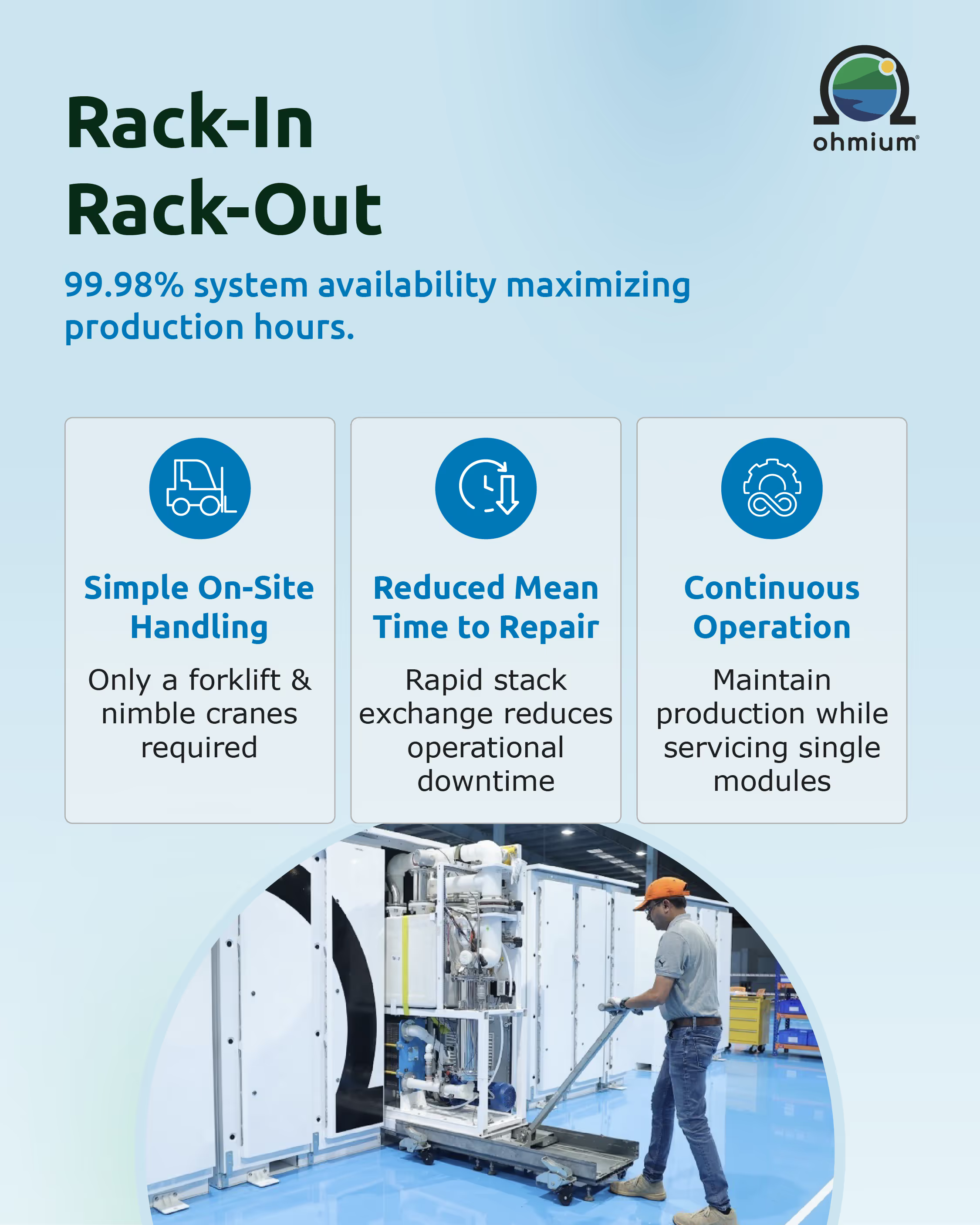
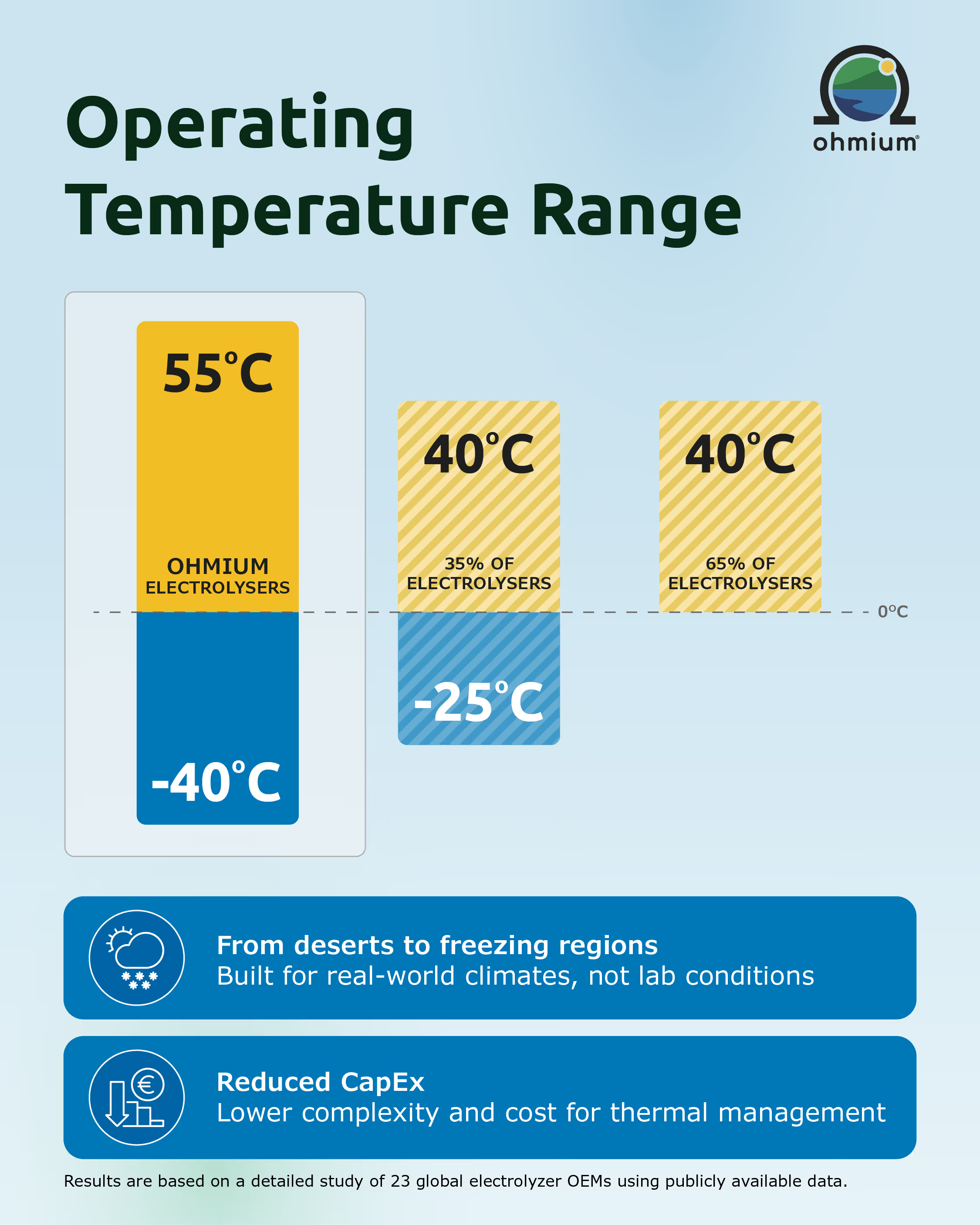
In this new series, Ohmium co-founder Arne Ballantine explains the principles and engineering behind the company’s PEM (Proton Exchange Membrane) electrolyzers as comprehensive systems with modular, compact designs built for real-world conditions. These systems handle their own water and power intake without additional modules. They operate in extreme cold and desert heat without protective structures or costly excavations. And their rack-in, rack-out design enables fast maintenance that maintains high plant availability.
Beyond design, Ohmium focuses on reducing expensive inputs. Ohmium recently surpassed the industry's 2030 target of 10 GW per ton of iridium, achieving 18 GW per ton. This advancement improves supply chain stability and helps keep hydrogen costs competitive.
Efficiency extends to power consumption. With energy costs representing 60% to 70% of total hydrogen production expenses, power efficiency directly impacts project economics. Hydrogen production must work with variable renewable energy sources like wind and solar, which have fluctuating power supply. Ohmium's electrolyzers are engineered to handle these fluctuations, enabling dynamic hydrogen production that stabilizes rather than strains electrical infrastructure while keeping operating costs low.
Learn more about Ohmium’s attention to the market’s CapEx and OpEx needs through these videos:


.avif)


%201.avif)

